Brixton Market Carpet Cleaning Services for Shops and Stalls
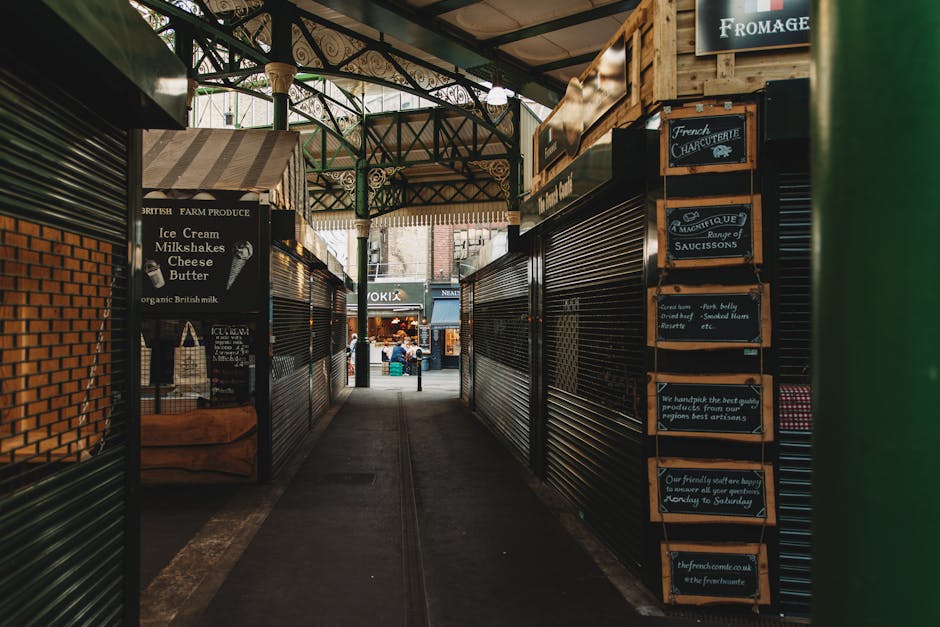
If you run a shop or stall in Brixton Market, you already know the floor takes a beating. Mud from the pavement, spilt coffee, food crumbs, footfall all day, every day - it builds up fast. That is exactly why Brixton Market carpet cleaning services for shops and stalls matter more than many traders realise. A clean carpet does more than look nice. It helps your pitch feel cared for, keeps odours down, and supports the kind of first impression that makes people stop, browse, and buy.
This guide breaks down what market-focused carpet cleaning actually involves, how it works in a busy trading environment, what to ask for, and how to avoid the common mistakes that cause extra wear or downtime. If you are weighing up regular maintenance versus a one-off deep clean, or you simply want your stall to look sharper without disrupting trade, you are in the right place.
Why Brixton Market carpet cleaning services for shops and stalls Matters
Brixton Market is not the sort of place where a floor stays pristine for long. That is part of the charm, to be fair. But for businesses, especially those with carpeted entrances, stall runners, display areas, or small fitted shop spaces, the difference between "lived-in" and "uncared for" can be surprisingly small. A tired carpet can make an otherwise lively stall feel messy, while a clean one helps the whole space feel organised and welcoming.
Think about what customers notice first. Often it is not the product shelf or the price sign. It is the feeling of the space. If they step in and see stains, damp patches, tracked dirt, or a smell that suggests yesterday's lunch is still hanging around, they may not say anything. They just move on. That is the quiet risk. Carpet cleaning protects the atmosphere of the pitch, and in a market setting atmosphere really counts.
There is also a practical side. Dirt is abrasive. Over time, grit from shoes can work into fibres and wear them down faster. Spills left too long can create permanent staining, and moisture can lead to lingering odour or even mould issues in poorly ventilated corners. In a busy London market environment where deliveries, customers, and stock movement all happen in quick bursts, carpets can deteriorate faster than in a standard office or home.
Expert summary: For market shops and stalls, the goal is not just a cleaner carpet. It is a cleaner customer experience, better hygiene, less visible wear, and fewer interruptions to trade.
If your business uses other soft furnishings too, it can make sense to coordinate carpet care with upholstery cleaning or curtain cleaning so the whole front-of-house area feels consistent. And if you are dealing with wider premises, commercial cleaning can help bring the entire space back into shape, not just the floor.
How Brixton Market carpet cleaning services for shops and stalls Works
Good commercial carpet cleaning is less about blasting away dirt and more about choosing the right process for the fabric, the amount of traffic, and the time available before the next trading window. In market settings, that matters a lot. A stall with low-pile carpet around the edge of the display area needs a different approach from a small shop with a thicker fitted carpet at the till area.
Most professional visits start with a look at the surface condition. The cleaner checks fibre type, stain patterns, high-traffic areas, odour issues, and any sensitive spots near electrical fittings, shelving, or stock. That assessment shapes the method used. Steam or hot water extraction is often the strongest option for deep cleaning, while spot treatment and low-moisture techniques may be better when drying time is tight.
A typical clean may include vacuuming, pre-treatment, agitation of stains or ground-in dirt, extraction or rinsing, and careful drying support. In a busy retail or market setting, the drying phase is the bit people underestimate. If the carpet stays damp too long, you can end up with a musty smell or a slippery entrance. Not ideal when customers are coming through the door at 10 a.m. and again at lunch.
For traders with repeated spill issues, targeted stain removal is often part of the plan. For food stalls or businesses dealing with stronger smells, pet stain odour removal may not sound directly relevant, but the underlying treatment approach for persistent organic odours can sometimes be useful as a comparison point when discussing lingering smells from milk, sauces, or produce spills.
In some cases, a one-off deep clean is enough to reset a space. In others, a regular maintenance programme is better. If your stall has constant foot traffic or you notice the same patch of carpet looking dark by Thursday every week, a recurring plan is usually the smarter route. There is no prize for waiting until it looks terrible, after all.
Key Benefits and Practical Advantages
A clean carpet gives you more than a tidy look. It gives you breathing room. It makes the space easier to manage and reduces the sense that the shop is always one step behind. Here are the main benefits market traders usually care about.
- Better first impressions: Clean flooring makes displays, products, and signage feel more deliberate and professional.
- Reduced odours: Helpful where food, drinks, damp weather, or lots of customers can create lingering smells.
- Less visible wear: Regular cleaning can slow the dull, flattened look that appears in high-traffic zones.
- Improved hygiene: Dirt, dust, and spill residues do not sit around as long.
- Longer carpet life: Removing grit and embedded debris helps fibres last longer.
- Safer trading space: Prompt drying and proper treatment reduce the chance of slippery patches.
- More flexible presentation: A cleaner floor makes a small market stall feel bigger and brighter.
There is a subtle commercial benefit too. Customers tend to linger slightly longer in spaces that feel cared for. That extra minute matters. It can mean one more question asked, one more item handled, or one more sale. It sounds small, but in retail, small things add up quickly.
If your market pitch is part of a broader site with shared access areas, it may also be worth looking at communal area cleaning and, where relevant, hard floor cleaning for any non-carpeted customer paths, thresholds, or back-of-house zones.
Who This Is For and When It Makes Sense
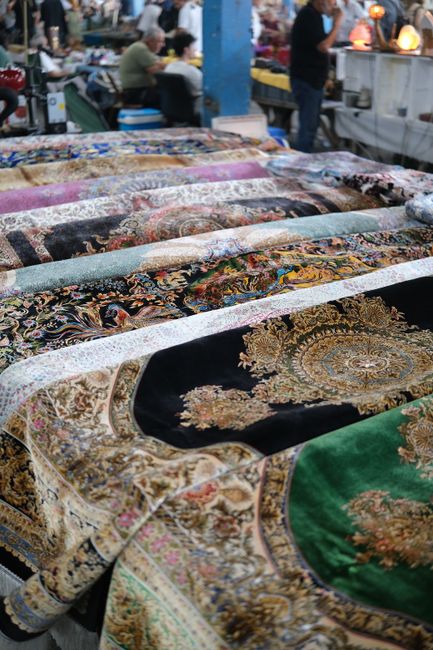
Not every trader needs the same level of cleaning. A market stall selling dry goods does not face the same mess profile as a food trader, and a small boutique-style shop has different expectations from an open stand with textiles or rugs on display. The right service depends on use, traffic, and the type of dirt involved.
This kind of cleaning is a strong fit for:
- shops with fitted carpet in customer-facing areas
- stalls with carpet runners, mats, or display floor coverings
- traders near food prep, drink service, or sampling points
- businesses that see heavy footfall at weekends
- stands affected by wet weather, outside debris, or tracked-in grit
- operators preparing for a relaunch, seasonal event, or inspection
- traders trying to manage lingering smells, patchiness, or old spill marks
It also makes sense when you are trying to reset the look of a pitch after a run of bad weather or a particularly busy trading spell. You know the kind of week: someone drops a drink, the weather turns, customers come in and out with wet shoes, and suddenly the carpet has gone from "fine" to visibly tired in three days. Happens all the time.
If your premises are used more like a small office or back room than a stall, you might compare options with office cleaning or regular cleaning. And if the space only needs attention after an event, a one-off cleaning visit may be the simplest route.
Step-by-Step Guidance
If you want a smooth result, a bit of preparation goes a long way. Here is the practical flow that usually works best for Brixton market traders.
- Identify the problem areas. Mark the stains, traffic lanes, odour spots, and any areas that must stay dry for trading.
- Check the carpet type. Low pile, natural fibre, synthetic blend, rug-style flooring - each reacts differently.
- Decide the timing. Early morning, late evening, or a trading gap may be best depending on how busy you are.
- Protect stock and equipment. Move fragile items, cover electrical points where appropriate, and keep walkways clear.
- Choose the method. Steam, low-moisture, or targeted stain treatment should match the carpet condition.
- Let the cleaner pre-treat stains. This is where many stubborn marks soften before extraction.
- Manage drying properly. Use airflow, keep people off the carpet, and avoid stacking stock too soon.
- Review the result. Check corners, edges, and the heaviest traffic zones before reopening fully.
A small but useful point: edges and thresholds often look worse than the centre of the carpet. That is where grit builds up and where a rushed clean can miss the detail. It is a bit like cleaning a window and forgetting the frame. Technically done, but not really done.
For heavily soiled carpets, steam carpet cleaning is often the method people ask for first because it can reach deep into fibres. That said, "steam" is a broad term in everyday speech, so it is worth asking how much moisture is involved and how long drying is likely to take. If you need a more general overview of carpet care, the dedicated carpet cleaning service page is a useful reference point.
Expert Tips for Better Results
After working around busy commercial interiors, one thing becomes obvious: the best results usually come from planning, not from the clean itself. That may sound boring, but it is true.
- Treat spills fast. The sooner a stain is addressed, the less likely it is to set into the fibres.
- Vacuum before it looks dirty. Dirt builds invisibly first, then suddenly the carpet looks flat and grey.
- Use mats at entry points. Even a modest mat can catch a surprising amount of grit and moisture.
- Rotate display layouts when possible. If one area always gets the same footfall, the wear becomes very obvious.
- Ask about drying time up front. This saves arguments later, especially on tight trading days.
- Match cleaning frequency to footfall. Busy stalls usually need more frequent attention than quieter retail spaces.
- Keep an eye on odour, not just appearance. Some problems are hidden until a customer walks in close.
A good cleaner should also know when to stop pushing a stain. Not every mark can be removed completely, especially if the carpet fibre is already worn or the spill has chemically altered the dye. A straight answer is better than a big promise. Honestly, it saves everyone a headache.
If your business has other soft surfaces near the carpeted area, it can be smart to combine the visit with sofa cleaning or rug cleaning. Small matching details make the whole unit look sharper, and the effect is more noticeable than people expect.
Common Mistakes to Avoid
Some carpet problems in market spaces come from dirt. Others come from well-meaning but clumsy cleaning. The wrong move can spread a stain, flatten a fibre, or leave the area damp for too long. These are the mistakes that come up again and again.
- Using too much water. Saturation can slow drying and encourage odours.
- Scrubbing aggressively. This can damage fibres and push the stain deeper.
- Ignoring drying time. Reopening too early can undo the work.
- Mixing products blindly. That is a fast way to create residue or discoloration.
- Cleaning only the visible patch. Spot-only treatment can leave the rest of the carpet looking dull by comparison.
- Leaving old stains for months. By the time they are tackled, they are far harder to shift.
Another common issue is treating all dirt the same. Mud from a wet January afternoon is not the same as a food spill, and neither is the same as a grease mark from packaging or a dye transfer from stock. The cleaning method should change with the problem. That sounds obvious, yet it gets missed a lot.
For businesses with persistent spot issues, combining carpet care with a focused stain removal plan is usually more effective than waiting for general cleaning to catch up. If the issue is part of a bigger fit-out or refit, you may also need support from deep cleaning before reopening.
Tools, Resources and Recommendations
You do not need a warehouse of equipment to keep a market carpet in better shape, but a few sensible tools help a lot. For day-to-day upkeep, the essentials are fairly simple.
- a commercial vacuum with decent suction
- microfibre cloths for spot blotting
- entry mats or runners at access points
- neutral cleaning products suitable for the fibre type
- wet-floor signs or cones if drying is in progress
- an internal note system for recurring stains or problem areas
From a service perspective, the most useful pages to review are the ones that explain how the business handles pricing, safety, and delivery. If you are comparing options, the pricing and quotes page is the natural place to start. For reassurance about standards and site behaviour, it is also worth reading the company's health and safety policy and insurance and safety information.
There is no harm in asking practical questions either. How long will the area be out of use? What happens if the carpet has an old stain that only lightens, not disappears? Can the work be done before traders arrive? Good questions, all of them. And if you are planning a wider refresh, the company's commercial carpet cleaning service is the closest fit for a market-shop environment.
Law, Compliance, Standards, and Best Practice
For Brixton Market traders, the main compliance concern is not usually a single dramatic rule. It is the everyday duty to keep the premises reasonably safe and well maintained. In practice, that means thinking about slip risk, chemical use, ventilation, storage of cleaning products, and how cleaning fits around customers and staff.
In the UK, commercial premises are generally expected to manage cleaning tasks in a way that does not create hazards. That includes avoiding wet floors left without warning, using suitable products for the surface, and keeping equipment and cables from blocking access routes. If a market stall operates in a shared environment, coordination matters too. You do not want one business's cleaning schedule causing problems for the next pitch.
Best practice usually includes:
- clear communication before the clean begins
- appropriate ventilation during and after cleaning
- product choice matched to the carpet and traffic level
- safe handling of water and electrical equipment
- keeping the area closed until safe to reopen
- recording repeat problem zones so they can be treated properly next time
If a trader ever needs to review contractual details, payment terms, or complaint routes, it helps to check the relevant service pages rather than making assumptions. The company's terms and conditions, payment and security, and complaints procedure pages provide the practical framework. For customers who care about responsible business practice, recycling and sustainability is also relevant.
One more thing: if you are storing stock near a cleaned carpet, make sure it is fully dry first. Sounds obvious. People still do it. Then they wonder why there is a damp smell three hours later.
Options, Methods, and Comparison Table
Different cleaning methods suit different market setups. A small stall with light soiling does not need the same approach as a busy retail space with repeated spillages and heavy footfall. This simple comparison can help you decide what is likely to work best.
| Method | Best for | Strengths | Watch-outs |
|---|---|---|---|
| Regular vacuuming and spot care | Light daily upkeep | Low cost, easy to maintain, keeps dirt from building up | Won't remove embedded grime or deep stains |
| Steam carpet cleaning | Deep-soiled carpets and traffic lanes | Strong deep-clean effect, good for reset cleans | Needs proper drying time and good planning |
| Low-moisture cleaning | Busy stalls with limited downtime | Faster drying, less disruption | May be less effective on heavy staining |
| Targeted stain treatment | Specific spill marks or repeat spots | Focused and efficient for isolated problems | Not a full replacement for general maintenance |
| Regular professional programme | High-footfall market shops and stalls | Consistency, better presentation, less build-up | Requires ongoing scheduling and budget planning |
There is no single winner here. The right answer depends on traffic, flooring type, and how much downtime you can tolerate. A food stall with tiny margins for disruption may need a fast-drying solution, while a boutique trader preparing for a busy weekend may be happier with a deeper reset clean. Both are valid. Different problems, different fixes.
Case Study or Real-World Example
A practical example helps here. Imagine a small Brixton Market shop that sells packaged snacks, drinks, and a few takeaway items. The carpeted area is only a few square metres, but it sits right by the counter and entry. Over time, the edges darken, the middle gets flattened, and a faint sugary smell starts hanging around near closing time.
The owner first tries spot cleaning with whatever is under the sink. That clears one mark, smears another, and leaves a patchy finish. Not disastrous, but not great either. A better approach is to identify the traffic lane, pre-treat the sticky areas, and use a method that removes embedded residue rather than just moving it around. After that, the owner puts down a better mat by the entrance and makes vacuuming part of the closing routine.
The result is not magic. The carpet does not become brand new. But it looks brighter, the smell is gone, and customers stop noticing the floor for the wrong reasons. That is the real win. The cleaning does its job quietly, which is exactly what you want.
For businesses with a broader refurb or post-work clean-up, it may help to combine carpet work with after builders cleaning if dust and debris have spread across the shop. If your front-of-house includes windows that shape the first impression from the street, window cleaning can also lift the whole presentation in one go.
Practical Checklist
Use this quick checklist before booking or scheduling a clean. It keeps the process tidy and avoids the classic "we should have mentioned that earlier" moment.
- Identify the carpeted zones that need attention.
- Note any stains, odours, and high-traffic lanes.
- Confirm the best time to work without disrupting trade.
- Move stock, signs, and fragile items out of the way.
- Check whether the carpet needs deep cleaning or spot treatment.
- Ask how long drying is likely to take.
- Prepare entry control so customers do not walk on damp areas.
- Review health, safety, insurance, and terms before proceeding.
- Put a simple maintenance plan in place after the clean.
If you want a cleaner, more manageable market floor without the hassle of trial and error, this checklist is a solid starting point. Nothing flashy. Just practical. And that usually works best.
Get a free quote today and see how much you can save.
Conclusion
Brixton Market carpet cleaning services for shops and stalls are about more than appearance. They help you protect the space you trade in, improve the customer experience, and keep small problems from turning into bigger ones. In a market environment, where every square foot has to work hard, that matters.
The key is choosing the right method, timing it properly, and treating cleaning as part of your trading routine rather than a last-minute emergency. If you get that balance right, the whole pitch feels calmer, cleaner, and more inviting. And truth be told, that calmer feeling is often what people remember most.
For traders in Brixton, a well-kept carpet is not a luxury. It is part of the shopfront. Part of the welcome. Part of what makes the stall feel worth stepping into.
Frequently Asked Questions
How often should a market shop or stall have its carpet cleaned?
It depends on footfall and what you sell. Busy food traders or high-traffic stalls often need more frequent attention than quieter retail spaces. A regular maintenance plan usually works better than waiting for the carpet to look badly soiled.
What is the best carpet cleaning method for Brixton Market stalls?
There is no single best method. Steam carpet cleaning works well for deeper dirt, while low-moisture cleaning may be better when drying time is limited. The fibre type, level of soiling, and opening hours should guide the choice.
Can carpet cleaning be done without closing the stall for long?
Often, yes. With careful scheduling and the right method, work can usually be arranged before trading starts or after closing. The main thing is allowing enough drying time before customers return.
Will professional cleaning remove all stains?
Not always. Fresh stains are more likely to come out than old ones, and some materials permanently change the carpet dye or fibre. A good cleaner should be honest about what can be improved and what may only lighten.
Is steam cleaning safe for commercial carpets?
Usually, yes, if the carpet type can handle it and the work is done properly. The real issue is moisture control and drying time. That is where poor planning causes trouble, not the method itself.
What should I do before the cleaner arrives?
Move stock, clear access routes, point out problem stains, and make sure fragile items are protected. The more open the space is, the easier it is to clean thoroughly and safely.
How can I stop the carpet from getting dirty again so quickly?
Use mats at entrances, vacuum regularly, deal with spills quickly, and review whether the busiest area can be slightly rearranged. Small changes can make a real difference over time.
Do I need commercial carpet cleaning or standard carpet cleaning?
For a shop or market stall, commercial carpet cleaning is usually the better fit because it is designed for business use, heavier traffic, and tighter time windows. Standard domestic cleaning may not be the right match for a trading environment.
What if the carpet also smells damp or musty?
That can happen when spills or weather moisture are left too long. In those cases, cleaning needs to focus on both the visible dirt and the cause of the odour. Drying and ventilation matter just as much as the product used.
Can carpet cleaning help my stall look bigger or brighter?
Yes, often it can. Clean fibres reflect light better, and a fresh carpet reduces the visual clutter that makes small spaces feel cramped. It is one of those changes people notice without always knowing why.
What should I ask before booking a service?
Ask about drying time, the cleaning method, stain expectations, insurance, and whether the work fits around your trading hours. Those are the questions that really matter in a market setting.
Is there a good way to combine carpet cleaning with other services?
Definitely. Many traders benefit from pairing carpet work with upholstery cleaning, window cleaning, or broader commercial cleaning if the whole customer area needs a reset.
What is the smartest first step if I am unsure what I need?
Start by identifying the carpet's condition, your trading hours, and how much downtime you can allow. Then compare that with the service options and ask for a recommendation based on your actual space, not a generic one-size-fits-all answer.
When a market floor feels clean, the whole stall feels a little easier to run. That simple bit of calm can make a busy day feel much more manageable.